Information
Landmark: Tombs of Pedro and InêsCity: Alcobaca
Country: Portugal
Continent: Europe
Tombs of Pedro and Inês, Alcobaca, Portugal, Europe
The Tombs of King Pedro I and Inês de Castro are 14th-century Gothic funerary masterpieces located in the transept of the Alcobaca-monastery_alcobaca" class="underline">Alcobaça Monastery church. They are widely considered the finest examples of Gothic sculpture in Portugal, commissioned by Pedro I to immortalize his tragic love affair with Inês.
Visual Characteristics
Both tombs are carved from high-quality soft limestone, featuring intricate high-relief sculptures on all sides. They are supported by six crouching lions (Pedro) and six hybrid creatures with human faces (Inês). The effigies lie atop the sarcophagi, surrounded by angels. Pedro’s tomb features a massive Wheel of Fortune at the head, while Inês’s tomb depicts scenes from the life of Christ and the Last Judgment.
Location & Access Logistics
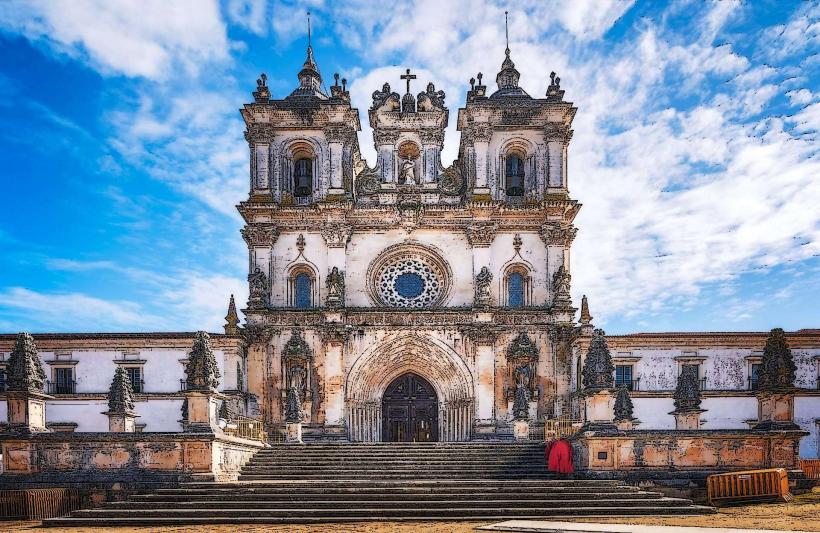
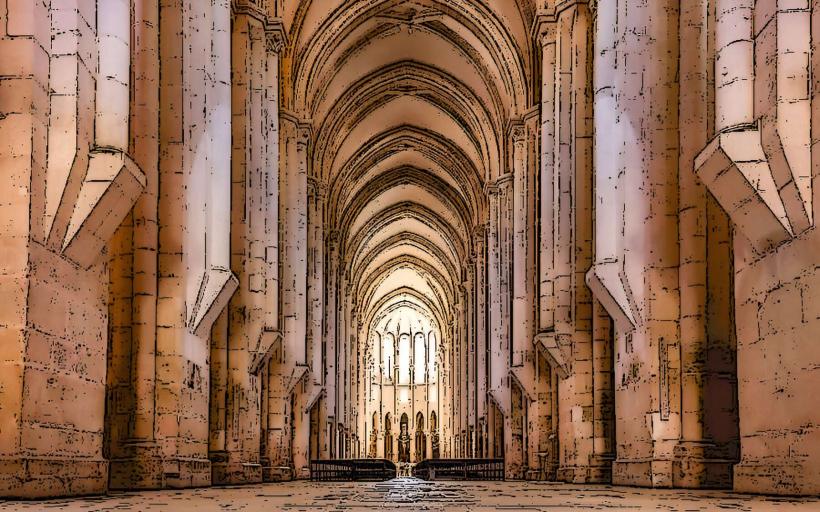
The tombs are positioned in the transept of the Mosteiro de Santa Maria de Alcobaça. Pedro's tomb is in the south arm and Inês's in the north arm, placed foot-to-foot. Entry is included with the general monastery admission. The monastery is located in central Alcobaça, accessible via the A8 motorway. The transept is at the far end of the nave, approximately 100 meters from the main entrance.
Historical & Ecological Origin
The tombs were commissioned around 1360 following Pedro's ascension to the throne. Inês de Castro, the King's mistress, was murdered in 1355 on the orders of Pedro's father, King Afonso IV. Upon becoming King, Pedro claimed they had been secretly married, had her body exhumed, and transferred her to these specially commissioned monuments. The limestone was sourced from regional quarries in the Estremadura massif.
Key Highlights & Activities
Visitors can observe the detailed narrative panels on the sides of the sarcophagi. A key highlight is the Wheel of Fortune on Pedro's tomb, which symbolizes the unpredictability of life and the couple's brief happiness. Photography is permitted without flash. The "foot-to-foot" orientation is a primary point of interest, designed so the couple would see each other immediately upon rising during the Resurrection.
Infrastructure & Amenities
The tombs are located within the main church, which has 5G signal. The area is flat and fully accessible. Because the church is an active religious space, silence is required. All visitor amenities (restrooms, gift shop, information desk) are located in the adjacent monastery cloisters.
Best Time to Visit
Midday offers the most consistent lighting inside the high-vaulted transept. To avoid the shadows cast by the massive pillars, visiting when the sun is directly overhead is optimal for seeing the relief carvings. Weekday mornings (09:00–10:30) are typically the quietest periods.
Facts & Legends
The tombs were severely damaged in 1810 by Napoleonic soldiers searching for treasure; they smashed parts of the stone and desecrated the royal remains. Legend states that Pedro ordered the "foot-to-foot" placement specifically so that the first thing he would see at the end of the world was Inês. The sculptures of the "assassins" of Inês are famously depicted in the "Hell" section of the Last Judgment scene on her tomb.
Nearby Landmarks
Royal Pantheon – 0.05km East
Cloister of Silence – 0.03km West
Kitchen of Alcobaça Monastery – 0.08km West
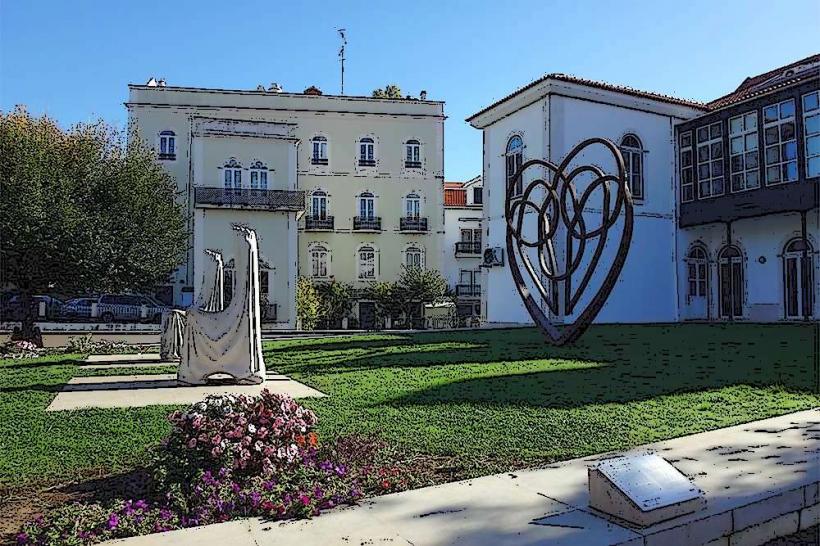
Garden of Love (Jardim do Amor) – 0.2km North
Castelo de Alcobaça – 0.6km West